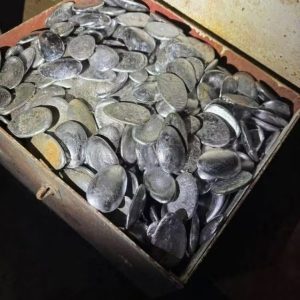
After a long day, I ordered a pizza for dinner, expecting an ordinary meal with nothing unusual about it. When the delivery arrived, I brought the warm box into the kitchen and opened it on the counter. Instead of the smooth layer of melted cheese I expected, however, I noticed the entire surface was covered in small raised bubbles. Some were tiny and barely noticeable, while others had formed larger, rounded pockets. For a moment, I wondered whether the pizza had been overcooked or if there was something wrong with the ingredients.
Curious about what I was seeing, I searched online for an explanation. I came across several possible causes, but after comparing photographs and reading about similar experiences, I learned that the bubbles were completely normal. During baking, moisture beneath the cheese turns into steam and expands, while small pockets of air can also become trapped underneath the melted cheese. As the temperature rises, the heat and pressure push the cheese upward, creating the unusual bubbles scattered across the surface.
Once I understood what had happened, the pizza no longer seemed suspicious. I picked up a slice and took a bite, and everything tasted perfectly normal. The crust was warm and crispy, the cheese was flavorful, and there was nothing unusual about the food itself. What had initially made me question the pizza turned out to be nothing more than a natural result of the baking process.
The experience reminded me how quickly something unfamiliar can seem alarming when we don’t understand it. A few harmless bubbles were enough to make me imagine all sorts of possibilities, even though there was never anything wrong with the pizza. Sometimes, a strange-looking detail isn’t a warning sign at all; it is simply an ordinary process happening in a way we haven’t noticed before. Before assuming that something is wrong, it can be helpful to pause and learn what we’re actually seeing.