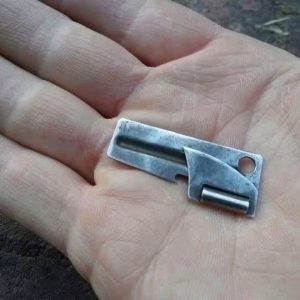
If you ever come across a heavy cast-iron spoon in an old shed, barn, or dusty toolbox, you might assume it was simply an oversized kitchen utensil. In reality, some unusual antiques like these were cast-iron spoon bullet molds, created for a much more practical purpose. They offer a glimpse into an era when people depended on resourcefulness, craftsmanship, and the ability to make useful objects from whatever materials they had available.
These molds were used to cast small metal items such as bullets and fishing sinkers. Families sometimes reused scrap lead because manufactured supplies could be costly or difficult to obtain, particularly in rural communities. The metal was heated until molten and poured into the mold, where it was left to cool and harden. Although the process is historically interesting, melting lead is hazardous because it can produce toxic fumes and leave dangerous residue. Modern collectors should not attempt it without appropriate professional equipment and strict safety controls.
More than just practical tools, these old molds represent a broader tradition of self-reliance. People often repaired, reused, and crafted what they needed rather than simply buying replacements. Today, an unusual antique tool can also provide a fascinating way to introduce younger generations to the past. Asking them to identify an unfamiliar object and then explaining how it was used can reveal just how different everyday life was before modern conveniences became common.
Cast-iron spoon molds remain intriguing collectibles for antique enthusiasts, historians, and reenactors. Their appeal goes beyond their physical appearance because each one carries a story about ingenuity, independence, and practical living. The next time you encounter an unusual old tool, take a closer look before dismissing it as an ordinary object. Its real purpose may reveal a fascinating piece of history that has been hiding in plain sight.