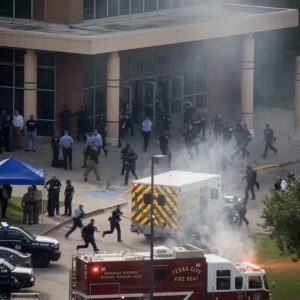
A quiet evening at a local motel became the center of a police investigation after officers responded to reports of suspicious activity. Authorities secured the area and began collecting evidence while speaking with individuals connected to the incident. According to preliminary information, an elderly man was taken into custody without incident, though officials have released few additional details as the investigation remains ongoing.
As news spread, community members sought answers and online speculation quickly followed. However, investigators often limit public information during active cases to protect witness interviews, preserve evidence, and ensure facts are carefully verified. Early reports can be incomplete, and details may change as additional information becomes available.
An arrest is typically only the beginning of a legal process. Investigators continue reviewing evidence, interviewing witnesses, and examining records before prosecutors determine whether charges are appropriate. Physical evidence, surveillance footage, forensic findings, and witness statements are often compared to build an accurate understanding of events.
Authorities have indicated that more information may be released as the investigation progresses. Until then, officials remain focused on gathering facts and following established procedures. The incident serves as a reminder that while public attention can develop quickly, reliable conclusions often require patience. In an era of rapid information sharing, waiting for verified facts remains one of the most important ways to ensure fairness, accuracy, and public trust.