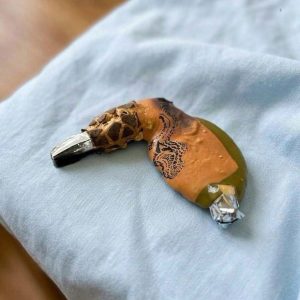
A bright red-orange fungus appearing in your garden overnight can look unusual and even alarming. It may resemble a piece of coral or a tiny alien, but it could be a red stinkhorn mushroom. These distinctive fungi are known for their unusual shapes, rapid growth, and strong, unpleasant odors. Although their appearance may be surprising, they generally serve a useful purpose in nature by breaking down decaying organic matter and helping recycle nutrients in the soil.
Red stinkhorns commonly grow in mulch, compost, leaf litter, and decaying wood. They often have slender, upright bodies in shades of red, orange, or pink, sometimes topped with a dark, sticky substance containing spores. Some species also emerge from a white, egg-shaped structure at the base. Because several types of fungi share similar characteristics, identifying the exact species based on color and appearance alone can be difficult.
One of the most recognizable characteristics of stinkhorn mushrooms is their unpleasant smell. Many produce an odor resembling rotting meat or sewage, which attracts flies and other insects. When insects land on the sticky spore-covered surface, they collect spores and transport them to other locations, helping the fungus reproduce. Despite the foul smell, it does not necessarily mean the mushroom is releasing dangerous gases. Stinkhorns can also seem to appear almost overnight because the visible mushroom grows rapidly under favorable conditions. The fungus itself may have existed beneath the soil or mulch for weeks before emerging, particularly after rainfall, during warm weather, or when moisture and decaying organic material are abundant.
In most gardens, stinkhorn mushrooms are not a serious concern because they help break down organic material and recycle nutrients without automatically harming nearby plants. If the odor bothers you, wear gardening gloves and carefully remove the visible mushroom, including its egg-like base when possible. Place it in a sealed bag before disposing of it, and wash your hands afterward. Reducing excessive moisture and maintaining your mulch beds may help, although the fungus can return if its underground network remains. Never eat an unidentified wild mushroom, and keep children and pets from touching or consuming it. If a child or pet swallows any part of an unknown mushroom, contact a poison-control service or veterinarian promptly.