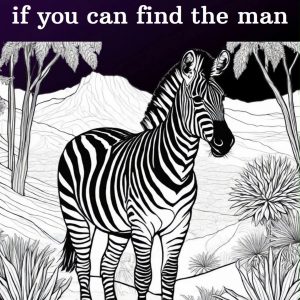
A face can sometimes appear in places where you would never expect to find one. At first, you may notice only clouds, shadows, or random shapes, but after looking a little closer, familiar facial features suddenly begin to emerge. This curious experience can make you wonder how many hidden faces you have overlooked without even realizing it.
This fascinating mental phenomenon is known as pareidolia. It happens when your brain recognizes familiar patterns, especially faces, in objects or images that do not actually contain them. Hidden-face challenges turn this natural ability into an entertaining game, suggesting that spotting one to three faces indicates big-picture thinking, four to six suggests balance, seven to nine points to careful observation, and ten or more reflects imagination.
Although these descriptions can sound surprisingly accurate, they are simply playful personality interpretations rather than scientifically proven measures of intelligence, creativity, or character. The number of faces you discover can depend on several things, including image size, screen brightness, personal expectations, and how much time you spend examining the picture.
If you look again and slowly scan the image from top to bottom, you may discover details you completely missed the first time. Someone sitting beside you might notice an entirely different number of faces, and neither person is necessarily better at observing. That is what makes these puzzles so enjoyable: they transform ordinary shapes into unexpected discoveries and remind us that our brains are constantly interpreting the world around us.